


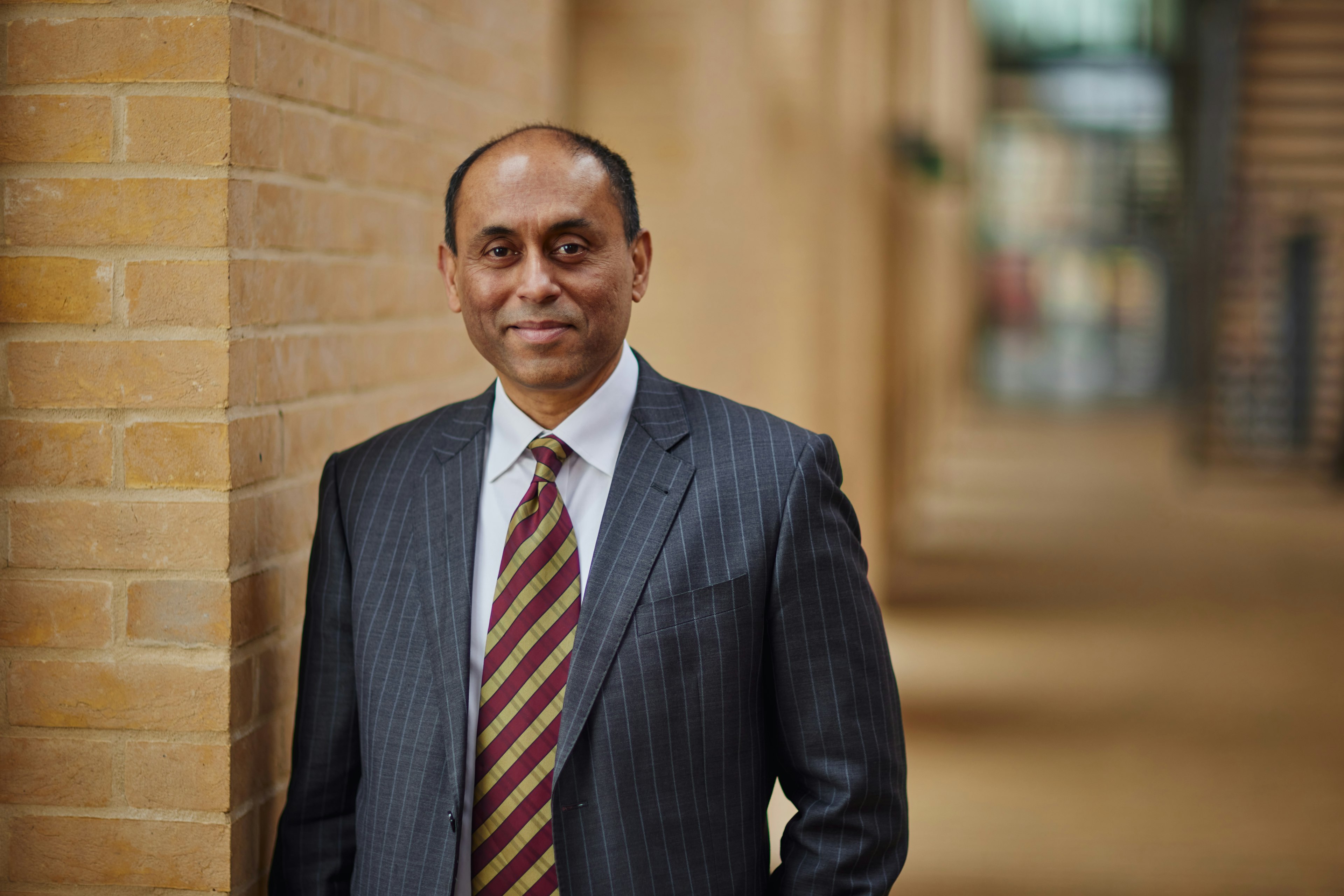
It took Soumitra Dutta,
former dean of Oxford Said Business School, to notice what the rest of
us all but ignored․ Two of the world's leading AI companies released
seminal technical papers the same month and almost no one talks about
how different they are to each other․ Not slightly different․
Fundamentally‚ philosophically‚ almost cosmologically different․ “If you want to understand where the industry is headed in 2026, you have to look at these two contrasting playbooks,” writes Soumitra Dutta, who has a PhD in computer science from the University of California, Berkeley.
One
is staring at the horizon and the other is staring at the engine․
OpenAI's "Industrial Policy for the Intelligence Age" reads more like a
new social contract: sweeping in its ambition‚ audacious in its reach․ A
32-hour workweek․ Public Wealth Funds․..
If machines are creating the wealth‚ then the very structure of how
that wealth is distributed, and who gets to rest, needs to be rebuilt
from scratch․
Anthropic's
approach is quite different․ Its Responsible Scaling Policy v3․1 --
"the industry's most rigorous safety manual" according to the former
dean of Oxford Said Business School --isn't about the dividend of AI․
It's about what could happen if the guardrails fail․ Where OpenAI
dreams‚ Anthropic audits․ The heart of it is a kind of dead-man's
switch‚ dubbed "Redline"․ If‚ as we are building the models‚ the
capabilities cross certain thresholds‚ everything stops. No
fast-tracking in the name of competitive pressure․ The AI Safety Levels
(ASL) are hard constraints on risks. Biological risks‚ the cyber risks‚
and the risk of cascading systemic failures - Anthropic is cataloguing
them all with the obsessive precision of an engineer who's read one too
many accident reports․
"OpenAI is asking: "How do we restructure the world to survive AI abundance?"
Anthropic is asking: "How do we structure the model so it doesn't break the world?"
One focuses on prosperity; the other on prevention," writes Soumitra Dutta, who’s cocreator of the Global Innovation Index, the world’s most influential innovation ranking system.
Neither
approach is wrong․ That's what's interesting about this․ A 32-hour
workweek sounds appealing until you learn that the technology that makes
this possible is being run without sufficient oversight․ Likewise‚ if
some model is perfectly safe in every conceivable situation‚ that
doesn't mean much if the economy it supports ends up with an oligarchic
tier and a hollowed-out middle class․ OpenAI is correct that absent
redistribution‚ AI-augmented productivity will all land in a small
number of hands․ But also‚ Anthropic is right that scaling without
safety features is a dangerously high-stakes game for civilization․
These are not mutually exclusive concerns.
"The Intelligence Age" is being built right now‚ in real time‚ by organizations with different values and different definitions of success․ The two documents are the clearest window yet into that divide․